• 2026 Flooring Outlook: Trends, News, and Regulations in Wood and Resilient Surfaces

    As we look toward 2026, the flooring industry is undergoing a significant transformation. The “cool and clinical” aesthetic that dominated the last decade is being replaced by a desire for organic warmth, tactile authenticity, and rigorous environmental responsibility. Whether you are considering the timeless appeal of hardwood or the versatile performance of resilient flooring, here are the key trends and regulations shaping the landscape.

    1. The Return of Warmth: “Warm Minimalism”

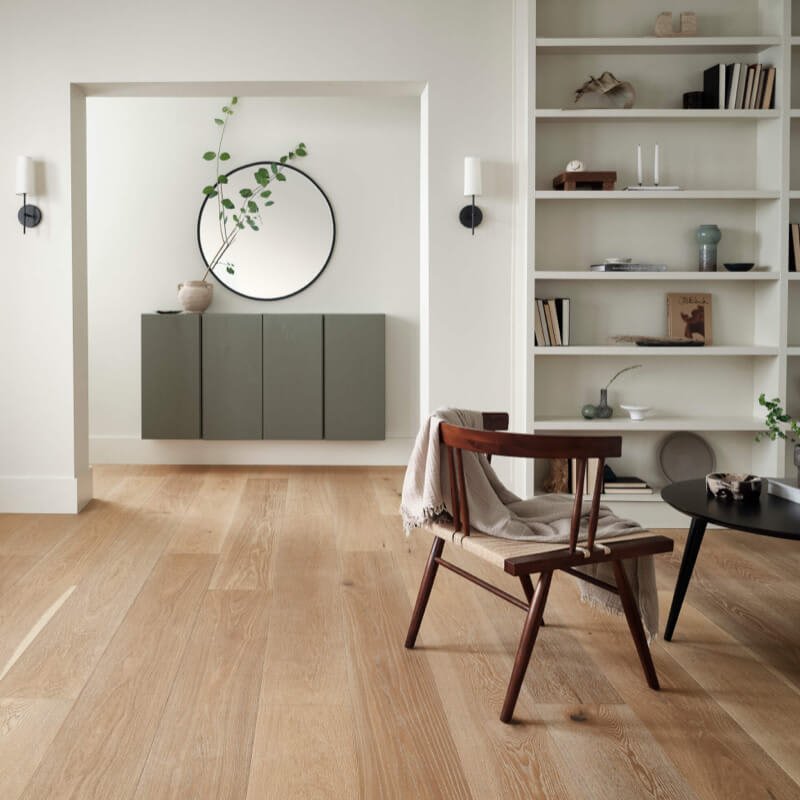
    The era of stark grays and whitewashed floors has transitioned into what designers call “Warm Minimalism.” In 2026, homeowners are embracing honey-toned oaks, rich caramels, and soft amber hues. This shift is designed to make large, open-concept spaces feel more grounded and inviting.

    2. Grand Scale and Authentic Patterns

    Standard plank widths are being surpassed by the “Grand Look.”

    • Wood: 7-inch to 10-inch wide planks are the new standard for luxury, often installed in variable widths to mimic historic European estates.
    • Patterns: Oversized Herringbone and Chevron patterns are making a sophisticated comeback, using longer planks to create bold architectural statements.

    3. Sensory Realism and Matte Finishes

    High-gloss, mirror-like finishes are a thing of the past.

    • Tactile Texture: Light wire-brushing and hand-sculpted edges provide a 3D quality that hides wear while feeling natural underfoot.
    • Invisible Finishes: Ultra-matte coatings are trending, protecting the wood while making it look raw and untreated.
    • Resilient Innovation: For LVT and SPC, “Synchronized Embossing” (EIR) technology now matches surface texture perfectly with the printed grain, making it nearly indistinguishable from real wood.

    4. The Sustainability Movement

    Eco-consciousness is no longer a hidden benefit; it is a primary style statement.

    • Character Grade Wood: Homeowners are choosing species that proudly show knots, burls, and mineral streaks, celebrating the life of the tree.
    • PVC-Free Resilient: A growing movement toward PVC-free alternatives like Polypropylene and PET is gaining traction as consumers seek to reduce their environmental footprint.

    5. Regulatory Updates and Standards

    The industry is seeing stricter oversight to ensure indoor air quality and product safety:

    • Formaldehyde Standards: The EPA has proposed updates to the Formaldehyde Emission Standards for Composite Wood Products (TSCA Title VI) to incorporate the latest test methods.
    • New European Standards: The introduction of EN 14354:2026 provides updated requirements and test methods specifically for wood veneer floor coverings.
    • Restoration over Renovation: Sustainability is driving a shift toward refinishing existing floors, which can reduce carbon emissions by over 89% compared to full replacement.

    Summary Table: Wood vs. Resilient Trends 2026

    Feature Wood Flooring Trends Resilient (LVT/SPC) Trends
    Primary Color Honey, Amber, Rich Caramel “Greige”, Warm Taupe, Sun Oak
    Finish Ultra-Matte, “Invisible” Low-Reflectivity Matte
    Texture Wire-brushed, Hand-sculpted Synchronized Embossing (EIR)
    Sustainability Character Grade, Restoration PVC-Free, Recyclable Materials
    Installation Ultra-Wide, Variable Width Oversized Planks, Modern Herringbone

    Whether you prioritize the natural soul of wood or the durability of resilient materials, 2026 is about creating a home that feels authentic, healthy, and enduring.

  • 2026 Flooring Outlook: Trends, News, and Regulations in Wood and Resilient Surfaces

    The flooring industry in 2026 is characterized by a significant shift toward high-performance materials, sustainable practices, and warmer, more natural aesthetics. While economic headwinds like interest rates and tariffs persist, the industry shows resilience through innovation and a renewed focus on consumer health and domestic manufacturing.

    ## Key Trends in Wood Flooring

    ### 1. Warmth and Natural Tones
    The “gray era” is officially ending. 2026 design trends favor warmer, honey-toned woods like white oak, walnut, and toffee. Consumers are moving away from high-gloss finishes toward matte and low-sheen options that hide wear and look more authentic.

    ### 2. Patterned and Large-Format Layouts
    Classic layouts are being supplemented by statement patterns such as herringbone, chevron, and parquet. Additionally, wide and long planks (up to 9 inches wide and 60+ inches long) are increasingly popular, creating a seamless, expansive look in modern homes.

    ### 3. Sustainable and Domestic Sourcing
    Due to ongoing tariff uncertainties (particularly with imports from China and Canada), there is a strong shift toward domestic manufacturing. Nearly 40% of businesses have switched to domestic suppliers to mitigate costs and supply chain risks.

    ## Key Trends in Resilient Flooring

    ### 1. The Rise of “Hybrid Resilient”
    A major breakout for 2026 is Hybrid Resilient flooring. This material bridges the gap between the waterproof nature of LVP and the scratch resistance of laminate. Often made from wood fibers and plastic-free resins, it offers a sustainable, high-performance alternative to traditional vinyl.

    ### 2. Realism and Texture
    Advancements in printing and embossing have made Luxury Vinyl Plank (LVP) and Stone-Look LVT nearly indistinguishable from natural materials. Tactile comfort and realistic textures are now “table stakes” for tomorrow’s homes.

    ### 3. Abandonment of Brittle Materials
    Traditional ceramic tiles are losing ground in high-traffic residential areas to Stone-Look LVT. Homeowners prefer the warmth underfoot, ease of installation, and lack of grout maintenance provided by resilient alternatives.

    ## Regulatory and Industry News

    ### 1. PFAS and Chemical Compliance
    The Environmental Protection Agency (EPA) is tightening regulations on Per- and Polyfluoroalkyl Substances (PFAS), often called “forever chemicals.” Flooring manufacturers are under increasing pressure to audit their supply chains and eliminate these chemicals from coatings and treatments.

    ### 2. Sustainability as a Performance Metric
    Low Volatile Organic Compound (VOC) emissions and indoor air quality certifications (like FloorScore or GreenGuard) have moved from “nice-to-have” to mandatory requirements for both residential and commercial specifiers.

    ### 3. Economic Outlook and Tariffs
    The wood flooring industry remains cautiously optimistic, with 60% of businesses expecting stronger sales in 2026. However, increased tariffs (some reaching 45% on certain imports) continue to drive price increases and sourcing shifts.

    ## Summary
    The 2026 flooring market is all about **Performance with Purpose**. Whether it’s the move toward **Hybrid Resilient** materials or the return to **warm, natural wood tones**, the focus is on longevity, health, and authentic design. Manufacturers who prioritize **material transparency** and **domestic reliability** are winning the market.

  • The Future Underfoot: Key Trends and Regulations in Wood and Resilient Flooring (2025-2026)

    Flooring is more than just a surface; it’s a foundational element that defines the aesthetic, functionality, and even the environmental footprint of a space. As we look towards 2025 and 2026, the wood and resilient flooring sectors are evolving rapidly, driven by shifts in consumer preferences, technological advancements, and increasing regulatory scrutiny. This report synthesizes the latest news, emerging trends, and critical regulations shaping the future of flooring.

    ## Wood Flooring: Embracing Warmth, Sustainability, and Unique Designs

    The wood flooring market is experiencing a significant evolution, moving towards warmer tones, sustainable practices, and distinctive patterns. Experts predict that 2026 will see a balance of natural warmth, eco-friendly choices, and personal expression taking center stage.

    **Key Trends in Wood Flooring:**

    * **Warmer Tones:** While cool grays have dominated for years, there’s a clear shift towards richer, warmer wood hues that create inviting and comfortable environments.
    * **Eco-Conscious Choices:** Sustainability is no longer a niche but a mainstream demand. Reclaimed wood continues to be highly sought after for its unique character and minimal environmental impact. The demand for hybrid products, such as waterproof hardwood, which combine the prestige of real wood with enhanced durability, is also peaking.
    * **Unique Layouts and Wider Planks:** Individual expression is driving the popularity of distinctive patterns like herringbone and chevron. Oversized planks are also gaining traction, contributing to a sense of spaciousness and modern elegance.
    * **Durability and Performance:** Homeowners are increasingly seeking wood flooring options that offer both aesthetic appeal and long-term performance, especially in high-traffic areas. This includes advancements in finishes that enhance scratch and moisture resistance.

    ## Resilient Flooring: Steadfast Growth Amidst Challenges

    The resilient flooring category, encompassing materials like luxury vinyl tile (LVT), vinyl, and linoleum, continues to demonstrate its resilience despite market headwinds such as high interest rates and a slowing housing market. The global resilient flooring market was valued at USD 13.79 billion in 2024 and is projected to grow.

    **Key Trends in Resilient Flooring:**

    * **Sustained Demand:** Despite a slight softening in overall volume, particularly on the residential side, the category is holding steady in terms of value. This is attributed to sustained demand across residential renovations and commercial spaces.
    * **Targeted Remodels:** With homeowners hesitant to undertake major renovations due to economic factors, there’s a shift towards more targeted remodels where resilient flooring shines due to its practicality and performance.
    * **PVC-Free Alternatives:** A significant trend is the move away from PVC-based products, with polypropylene and PET resilient flooring gaining traction as durable and recyclable alternatives.
    * **Sustainability Certifications:** The industry is seeing increased adoption of sustainable product certifications and ecolabels, reflecting a broader commitment to environmental responsibility.

    ## Regulations: Focus on Formaldehyde and VOCs

    Regulatory landscapes continue to evolve, particularly concerning indoor air quality and chemical emissions from flooring products. The U.S. Environmental Protection Agency (EPA) plays a crucial role in setting standards for composite wood products.

    **Key Regulations and Standards:**

    * **Formaldehyde Emission Standards:** The EPA’s Formaldehyde Emission Standards for Composite Wood Products rule under the Toxic Substances Control Act (TSCA) is a critical regulation. In February 2026, the EPA proposed updates to this rule, aiming to align with the most current voluntary consensus standards and introduce new quality control test methods. These standards set limits for formaldehyde emissions from products like hardwood plywood, medium-density fiberboard, and particleboard.
    * **VOC Standards:** Volatile Organic Compound (VOC) standards are also becoming increasingly stringent, particularly for resilient flooring products. For instance, 2026 standards for PVC LVT self-adhesive flooring typically require TVOC levels under 0.5 mg/m3 to satisfy specific California sections.
    * **Sustainability Certifications:** Beyond government regulations, industry-specific certifications like the SCS Certification Standard for Rigid Core Resilient Flooring (Version 2.0 – October 2025) are becoming important benchmarks for environmental and social impacts, aligning with EPA ecolabels and green building standards.

    ## Conclusion

    The flooring industry is navigating a dynamic period characterized by a strong push towards sustainability, innovative design, and rigorous regulatory compliance. Both wood and resilient flooring sectors are adapting to these changes, offering consumers a wider array of aesthetically pleasing, high-performing, and environmentally responsible options. Staying informed about these trends and regulations is crucial for manufacturers, designers, and consumers alike to make informed decisions that shape the spaces of tomorrow.

    ## References

    1. [The Biggest Flooring Trends of 2026 (Predicted by Experts)](https://www.woodandbeyond.com/blog/the-biggest-flooring-trends-of-2026-predicted-by-experts/)
    2. [2026 Home Flooring Trends: Patterned Hardwoods, And …](https://www.forbes.com/sites/terriwilliams/2026/02/25/2026-home-flooring-trends–patterned-hardwoods-and-toasty-palettes/)
    3. [Say Goodbye to These 5 Flooring Trends in 2026, …](https://www.thespruce.com/2025-flooring-trends-to-leave-behind-11859073)
    4. [Hardwood Flooring Trends: A Look at 2025 and 2026](https://www.vantiahardwoods.com/hardwood-flooring-blog/what-2025-taught-us-about-hardwood-flooring-trends-and-what-to-expect-in-2026/)
    5. [Get Ready for a Robust 2026 | Features](https://www.floorcoveringweekly.com/main/features/get-ready-for-a-robust-2026-46466)
    6. [Resilient: State of the industry 2025](https://www.fcnews.net/2025/08/resilient-flooring-category-remains-strong-despite-challenges/)
    7. [Resilient Flooring Market Outlook 2026-2034](https://www.intelmarketresearch.com/resilient-flooring-market-28870)
    8. [National Wood Flooring Association: NWFA](https://nwfa.org/)
    9. [Wood Flooring Market Report and Forecast 2025-2034](https://www.marketresearch.com/Expert-Market-Research-v4220/Wood-Flooring-Forecast-42019488/)
    10. [Resilient Flooring Market Growth Analysis Report 2025-2033](https://finance.yahoo.com/news/resilient-flooring-market-growth-analysis-143600537.html)
    11. [An Expert Answer for 2026

  • Flooring Forward: Key Trends and Regulations Shaping 2026

    As the flooring industry steps into 2026, it’s clear that innovation, sustainability, and evolving consumer preferences are driving significant changes in both wood and resilient flooring categories. This year promises a blend of aesthetic shifts and crucial regulatory adjustments that manufacturers, retailers, and consumers alike need to understand.

    ## Wood Flooring: Embracing Natural Beauty and Durability

    Wood flooring continues to be a dominant force, with a strong emphasis on natural aesthetics and enhanced performance. Key trends include:

    * **Natural Tones and Matte Finishes**: The industry is moving away from cool grays towards warmer, natural wood tones like honey, oak, toffee, and walnut. Matte and low-sheen finishes are gaining popularity as they minimize glare and better conceal wear, aligning with a desire for timeless and organic aesthetics.
    * **Wider and Longer Planks**: These dimensions remain a staple, as they create a more expansive feel, reduce visible seams, and highlight the wood’s natural patterns. This trend is influenced by mid-century modern design principles emphasizing clean lines.
    * **Engineered Wood Dominance**: Engineered hardwood is projected to see the strongest growth, offering authentic wood beauty with improved performance, especially for diverse installation conditions like radiant heat systems.
    * **Durability and Longevity**: Consumers prioritize durability, with wood flooring’s inherent strength and ability to be refinished multiple times making it a long-term investment.
    * **Sustainability**: Hardwood is recognized for its environmental credentials as a renewable resource that stores carbon, appealing to eco-conscious consumers.

    ## Resilient Flooring: Innovation Meets High Expectations

    Resilient flooring, including SPC, LVT, and WPC, continues its rapid growth, driven by advancements in performance and design:

    * **Enhanced Realism and Performance**: Innovations in printing, embossing, and surface textures are making resilient flooring more convincing as alternatives to wood and stone. Performance claims like waterproof, scratch, and dent resistance are now standard expectations.
    * **Next-Generation Solutions**: SPC 2.0, hybrid composite cores, ultra-wide planks, and enhanced surface technologies are setting new benchmarks for scratch resistance, sound insulation, antibacterial properties, and anti-static features, catering to both residential and commercial applications.
    * **Warm and Natural Aesthetics**: Similar to wood flooring, resilient options are also trending towards warmer tones, realistic textures, and matte finishes to create cohesive and comfortable interior designs.

    ## Regulations and Sustainability: The New Industry Standard

    Sustainability and chemical regulations are no longer niche concerns but fundamental aspects of the flooring industry:

    * **Material Transparency**: Sustainability is now a requirement, with a strong emphasis on low-VOC emissions, recyclable materials, and transparent carbon footprints. Certifications like FloorScore, GREENGUARD, CARB II, and E0 standards are crucial for competitive advantage.
    * **PFAS Restrictions**: Per- and polyfluoroalkyl substances (PFAS) regulations are a significant concern. State-level restrictions are proliferating, and manufacturers need to understand their supply chains thoroughly to ensure compliance and provide clear, defensible public statements regarding PFAS-free products.
    * **Circular Economy**: Manufacturers are increasingly adopting recycled materials and designing products for reusability and responsible end-of-life disposal, aligning with circ

  • 2025 Flooring Industry Update: Trends, News, and Regulations for Wood and Resilient Surfaces

    The flooring industry in 2025 is navigating a landscape defined by regulatory shifts, economic resilience, and a clear move toward natural aesthetics. Whether you are a homeowner planning a renovation or an industry professional, staying ahead of these changes is crucial. Here is a summary of the key findings from the latest research on wood and resilient flooring.

    ### 1. Regulatory Landscape: The Rise of PFAS Bans
    The most significant regulatory development in 2025 is the implementation of stringent laws targeting “forever chemicals” or PFAS (per- and polyfluoroalkyl substances).
    – **State-Level Bans:** As of early 2025, five states have implemented broad PFAS bans, with over 200 additional bills under review across more than 30 states.
    – **Immediate Impact:** States like Minnesota and New York have already begun rolling out restrictions on intentionally added PFAS in product categories including coatings and textile furnishings.
    – **Industry Response:** Leading manufacturers have already completed full reformulations of their wood floor finishes and resilient products to eliminate PFAS, ensuring compliance and environmental safety.

    ### 2. Resilient Flooring: Holding Steady Amidst Challenges
    Despite economic headwinds such as high interest rates and a slow housing market, the resilient flooring category remains the “resilient” leader of the industry.
    – **Market Performance:** While other categories like carpet and hardwood have faced double-digit losses, resilient flooring is expected to see only a low-single-digit decline in 2025.
    – **Renovation Over Relocation:** High mortgage rates have kept homeowners in their current properties, fueling a shift from new construction to high-end renovation projects.
    – **Technological Innovation:** Innovations in rigid core materials (SPC/WPC), advanced waterproof coatings, and 3D printing are elevating the performance and aesthetic appeal of Luxury Vinyl Tile (LVT).

    ### 3. Wood Flooring Trends: Natural, Warm, and Wide
    Wood flooring in 2025 is moving away from the cool grays of the past decade toward a more organic and timeless feel.
    – **Warm Tones & Natural Finishes:** Warm neutrals, dark walnuts, and natural matte finishes are dominating the market. The goal is to highlight the authentic character of the wood.
    – **Wide and Long Planks:** The demand for wide-plank hardwood continues to grow, offering a bold and modern look that expands the visual space of a room.
    – **Textured Character:** Wire-brushed and “character” floors that showcase knots and grain patterns are highly sought after for their unique, artisanal quality.

    ### 4. Sustainability and Standards
    Sustainability is no longer an option but a requirement.
    – **Certifications:** FSC and PEFC certifications remain the gold standard for responsible wood sourcing.
    – **Transparency:** New regulations, particularly in states like Maine, are requiring manufacturers to disclose the use of certain chemicals, pushing the industry toward greater transparency and safer alternatives.

    ### Conclusion
    The flooring industry in 2025 is a testament to innovation and adaptation. From the rapid response to PFAS regulations to the steady growth of high-performance resilient materials, the focus remains on durability, sustainability, and natural beauty. As we move into 2026, these trends are expected to solidify, offering even more advanced and environmentally friendly options for every space.